Harvard Health Publications - Harvard Medical School
SEARCH     
Powered by Google  
HOME  
SIGN IN SIGN OUT  
BROWSE BACK ISSUES  
Subscriber Access
 
 
SPECIAL REPORT Purchase This Foot Care Health Report SIGN UP NOW FOR FREE HEALTHBEAT E-NEWSLETTER
 
 
Home > Foot Care Basics: Preventing and Treating Common Foot Conditions  
 

Foot Care Basics: Preventing and Treating Common Foot Conditions

ADD TO CART Printed Version: $16.00
ADD TO CART Electronic Download (PDF): $16.00
ADD TO CART Print + Electronic Download (PDF): $24.00

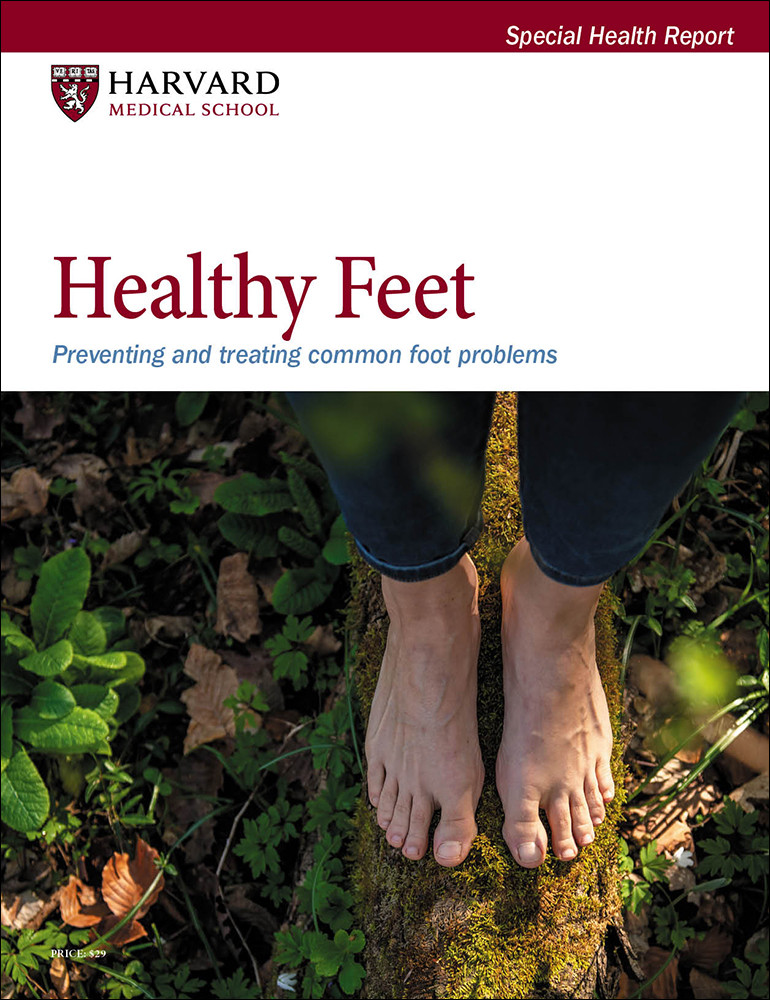
Foot Care Health Report
Click to enlarge

When your feet ache badly, you may not think about your waistline—but maybe you should. To the long list of woes attributable to America’s growing girth, add this one: foot pain and disorders. Each time you take a step, about one and a half times your weight is placed on your foot. If you run or play tennis, three to four times your weight lands on each foot whenever it hits the ground. Every pound you gain in weight adds to the pounding on your feet. So don’t be surprised if your foot care specialist asks how much you weigh the next time you develop a problem in one or both feet.

Of course, foot problems develop for all sorts of reasons. All told, more than three out of four Americans will suffer some kind of foot ailment in their lifetimes. And there are more than 300 types of foot problems that can develop.

This report will provide you with basic information about your feet and how they function. It will describe the major causes of aching feet and what you can do about them. It will also help you recognize and treat common skin and nail ailments and will discuss circumstances that require special care, including diabetes, vascular problems, and nerve disorders. Most important, these pages provide the information you need to walk comfortably and confidently for many years to come. 48 pages. (updated: 2007)


  • The fantastic foot
    • Foot structure
    • Your walking gait
    • When problems develop
  • Your age in miles
    • Birth to age 30
    • 30s and 40s
    • Age 50 and over
    • Pamper your feet
  • Keeping your feet healthy
    • Maintain a healthy weight
    • Practice foot fitness
    • Foot quiz: How fit are your feet?
    • Walk your way to foot fitness
    • Exercises for foot fitness
  • Heels that hurt
    • Plantar fasciitis and heel spurs
    • Achilles’ tendinitis and tendinosis
    • Posterior heel bursitis
  • Arches that ache
    • Flexible flat feet
    • Rigid flat feet
    • Posterior tibial tendon insufficiency
  • Tormented toes
    • Bunions and bunionettes
    • Hammertoe
    • Osteoarthritis
    • Gout
    • Sesamoid pain
  • Missteps and mishaps: Foot injuries
    • Fractures
    • Stress fractures
    • Sprains
  • Skin and toenail problems
    • Ingrown toenails
    • Blisters
    • Calluses and corns
    • Toenail fungus
    • Athlete’s foot
    • Warts
  • Other health conditions
    • Diabetes
    • Nerve problems
    • Vascular problems and cold feet
  • Foot surgery
    • Types of surgical procedures
    • Having foot surgery
    • Cosmetic foot surgery
  • Treating foot pain
  • Sensible shoes
    • Invest in good shoes
    • What to look for
    • Glossary
  • Resources
    • Organizations
    • Sock and shoe manufacturers

ADD TO CART Printed Version: $16.00
ADD TO CART Electronic Download (PDF): $16.00
ADD TO CART Print + Electronic Download (PDF): $24.00

Back to top >

Here's an Excerpt from this Foot Care Special Health Report

If there’s a recurring theme in this report, it’s that buying the right shoe is an investment in foot health. But how do you find a shoe that fits properly and provides adequate support, without falling prey to commercial claims by shoe stores and manufacturers that may have no scientific basis?

Start with your own feet, and look at what’s already in your closet. Stand barefoot on a piece of paper or cardboard, and trace the shape of each foot. Now take your shoes, one by one, and place them on top of the drawing. If you’re like most people, your “comfortable” shoes will closely match the outline of your own feet. The shoes that cause pain—and most of these will be high heels, if you’re a woman—are likely to be narrower than the width of your feet, and maybe even shorter.

Ideally, you would never wear shoes that are too small, too high, or too tight. But if you must have such shoes, wear them as infrequently as possible or you’ll increase your risk for foot pain and problems (or exacerbate those you already suffer). The less often you wear tight, ill-fitting shoes, the better. You might want to keep several pairs of shoes on hand; for instance, wearing comfortable, low-heeled pumps around the office or at casual gatherings, and saving fancy, high-heeled shoes for occasional dressy events.

ADD TO CART Printed Version: $16.00
ADD TO CART Electronic Download (PDF): $16.00
ADD TO CART Print + Electronic Download (PDF): $24.00

Back to top >


Harvard Medical School Online Health Information Library
Bookstore
Newsletters
Harvard Health Letter
Harvard Women’s Health Watch
Harvard Men’s Health Watch
Harvard Heart Letter
Harvard Mental Health Letter
Perspectives on Prostate Disease
Premium Access
Special Reports
Exercise
Vitamins
Skin Care
Stress Management
Foot Care
See All Titles
Books
Your Developing Baby
The Fertility Diet
Eat, Drink, and Be Healthy
Beating Diabetes
The Harvard Medical School Family Health Guide
See All Titles
Browse
Common Medical Conditions
Wellness & Prevention
Emotional Well Being & Mental Health
Women’s Health
Men’s Health
Heart & Circulatory Health
Tools
Guide to Diagnostic Tests