

Carb cycling: What is it, and does it work?

Understanding orthorexia: Have your healthy eating goals gone too far?

Melatonin or magnesium: Can either supplement help you sleep?

Salmonella, E. coli, Cyclospora, and other germs that cause food poisoning: What you need to know

Shingrix shingles vaccine linked with lower heart disease risks

Harvard study: Healthier fats linked to longer life after prostate cancer diagnosis

Naturally gluten-free foods

Stair climbing may significantly lower cardiovascular risks

Estrogen-only hormone therapy tied to lower dementia risk
Should you have a hysterectomy?
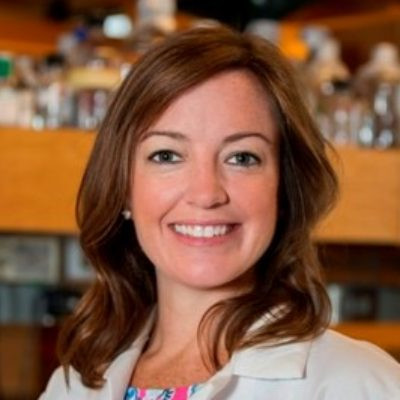
Maureen Leonard, MD, MMSc
Contributor
Dr. Maureen Leonard is the clinical director of the Center For Celiac Research And Treatment at Massachusetts General Hospital for Children (MGHfC) and an assistant professor of pediatrics at Harvard Medical School (HMS). She sees adult and pediatric patients with celiac disease, non-celiac gluten sensitivity, and other gluten-related disorders.
Dr. Leonard obtained her medical degree from New York Medical College, completed her residency in general pediatrics at Tufts Medical Center and her fellowship in pediatric gastroenterology at MGHfC. Dr. Leonard received a master’s degree in clinical and translational investigation from HMS.
Dr. Leonard’s research is focused on predicting and preventing celiac disease through the NIH-funded Celiac Disease; Genomic, Environment, Microbiome and Metabolomic Study. Dr. Leonard’s other work includes identifying biomarkers that can predict intestinal healing in pediatric patients with celiac disease; building translational models capable of predicting autoimmune disease in high risk individuals; and working with industry collaborators to create and perform clinical trials aimed at treating celiac disease. Dr. Leonard currently holds funding from the NIH, and has previously been funded by the NIH, the Nutrition Obesity Research Center at Harvard, and the Thrasher Research Foundation.
Posts by Maureen Leonard, MD, MMSc

Carb cycling: What is it, and does it work?
Understanding orthorexia: Have your healthy eating goals gone too far?
Melatonin or magnesium: Can either supplement help you sleep?
Salmonella, E. coli, Cyclospora, and other germs that cause food poisoning: What you need to know
Shingrix shingles vaccine linked with lower heart disease risks
Harvard study: Healthier fats linked to longer life after prostate cancer diagnosis
Naturally gluten-free foods
Stair climbing may significantly lower cardiovascular risks
Estrogen-only hormone therapy tied to lower dementia risk
Should you have a hysterectomy?

