






GERD diet: Foods to avoid to reduce acid reflux
Ease back on heartburn-triggering foods, including anything fatty, fried, or spicy.
- Reviewed by Lawrence S. Friedman, MD, Contributor; Editorial Advisory Board Member, Harvard Health Publishing
One of the most effective lifestyle changes you can make to prevent the symptoms of gastroesophageal reflux disease (GERD) is to ensure your diet and eating habits do not trigger symptoms. "In fact, dietary change may be all that is necessary in people with infrequent and mild GERD," says Dr. Lawrence S. Friedman, chair of the Department of Medicine at Harvard-affiliated Newton-Wellesley Hospital and a professor of medicine at Harvard Medical School. People with more frequent or severe GERD, he notes, are more likely to also need medications.
What is GERD?
GERD occurs when stomach acid backs up into the esophagus, the tube connecting the mouth and stomach, usually because the ringlike muscles that prevent backflow don't work properly.
You might experience the results as a fiery feeling in your stomach or chest - a symptom called heartburn. In addition to heartburn, GERD may cause nausea, a sour taste in the mouth, difficulty swallowing, a sore throat, coughing, and tightness in the chest.
Foods to avoid if you have GERD
While people with acid reflux were once instructed to stick to bland foods, that's no longer the case. There are many healthy and delicious foods you can eat if you have GERD, as well as many interesting ways to prepare them.
Still, some types of food are more likely to trigger reflux and heartburn. These are some of the most common foods that trigger reflux symptoms:
- fatty and fried foods, which linger longer in the stomach, making it more likely that stomach acid leaks back up into the esophagus, causing uncomfortable GERD symptoms
- spicy foods, citrus, tomato sauces, and vinegar, which may intensify heartburn
- chocolate, caffeine, onions, peppermint, carbonated drinks, and alcohol often worsen heartburn symptoms.
If you eat any of these foods regularly, try eliminating them to see if doing so reduces your reflux. Then you can try adding them back one by one.
Best foods for GERD
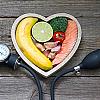
Some foods have been found to be less likely to trigger reflux. While not exactly acid reflux remedies, the following foods may help you ease or avoid symptoms:
Non-citrus fruits. While you should reduce or avoid citrus fruits, you can enjoy other types of fruit such as bananas, melons, apples, and pears, among others.
Vegetables. Try to eat your vegetables raw. While tomato sauce may bother you, a fresh tomato might not. (Yes, it's technically a fruit, but it's eaten like a vegetable.)
Lean meats. Lean meats that are grilled, poached, broiled, or baked are your best options. Try using fresh herbs, rather than spices, to make them flavorful.
Oatmeal, whole-grain bread, and brown rice. These are all good sources of healthy complex carbohydrates and fiber.
Unsaturated fats from plants and fish. Replace saturated fats with oils such as olive, sesame, canola, sunflower, soybean, and safflower; avocados; nuts and seeds; and fatty fish such as salmon and trout.
Best GERD eating habits
Besides specific types of foods, changes to eating habits can also help to prevent repeated bouts of heartburn and acid reflux.
- Eat smaller, more frequent meals. "Eating a large meal can increase the pressure in the stomach and lead to acid reflux," explains Dr. Friedman.
- Do not lie down after eating. This means no naps right after lunch. When you're standing or sitting, gravity helps keep acid in the stomach, where it belongs.
- Avoid vigorous exercise for a couple of hours after eating. A strenuous workout can send acid into your esophagus.
- Do not eat during the three to four hours before you go to bed. So, no late suppers or midnight snacks.
- Sleep on your left side. "Because of the anatomy of the esophagus and stomach, lying on your left side often causes less acid reflux than lying on your right side," says Dr. Friedman.
- If you're taking medication to help control your symptoms, it's probably okay to have a "trigger" food occasionally. But you should generally avoid foods that have worsened your heartburn in the past.
Key takeaways
Listening to your body and being aware of what you eat can go a long way to helping you manage heartburn, reflux, and other GERD symptoms. Try keeping a food diary to help identify your personal reflux triggers, and explore other food choices that satisfy you. Along with a few lifestyle changes, like eating smaller meals and avoiding late-night eating, this might be all you need to keep your GERD symptoms at bay.
Image: © Vadym Pavelnko/Getty Images
About the Authors

Jenette Restivo, Health Writer; Assistant Director for Digital Content Creation and Engagement, Harvard Health Publishing

Joyce Hendley, Staff Writer
About the Reviewer

Lawrence S. Friedman, MD, Contributor; Editorial Advisory Board Member, Harvard Health Publishing
Disclaimer:
As a service to our readers, Harvard Health Publishing provides access to our library of archived content. Please note the date of last review or update on all articles.
No content on this site, regardless of date, should ever be used as a substitute for direct medical advice from your doctor or other qualified clinician.


