What are somatic workouts?

How to curb your stress eating

How to spot Parkinson’s disease symptoms

8 simple ways to reduce ultra-processed foods in your diet
Heart failure symptoms in women: How they’re different
GERD diet: Foods to avoid to reduce acid reflux

Strong is the new skinny

Everyday habits that sneakily weaken your bones
Don’t wait to get help for back pain

Correcting how you walk may ease osteoarthritis knee pain
Blood Pressure Archive
Articles

Breathing exercises to lower your blood pressure
For people with high blood pressure, practicing slow, deep breathing for 15 minutes a day can potentially lower blood pressure. Helpful techniques include 4-7-8 breathing, box breathing, and belly breathing. Devices to guide breathing exercises may also be useful.


Aldosterone overload: An underappreciated contributor to high blood pressure
Elevated levels of aldosterone (a hormone that regulates water, sodium, and potassium in the body) is an underrecognized and undertreated contributor to high blood pressure.
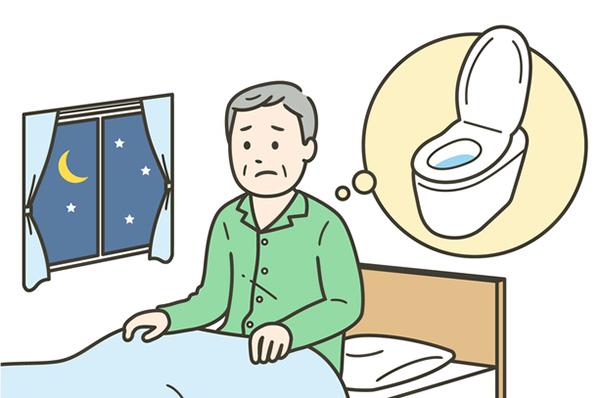
Waking up to urinate at night affects blood pressure
A 2025 study finds that among people with high blood pressure, waking up from sleep to urinate is closely linked to elevated blood pressure during sleep.

New evidence that polyphenol-rich foods help the heart
A 2025 study suggests that polyphenols, found in a wide range of plant foods, may have long-term benefits for the heart. Over an average of 11 years, people whose diets contained the most polyphenol-rich foods ranked lowest on scores of heart disease risk.
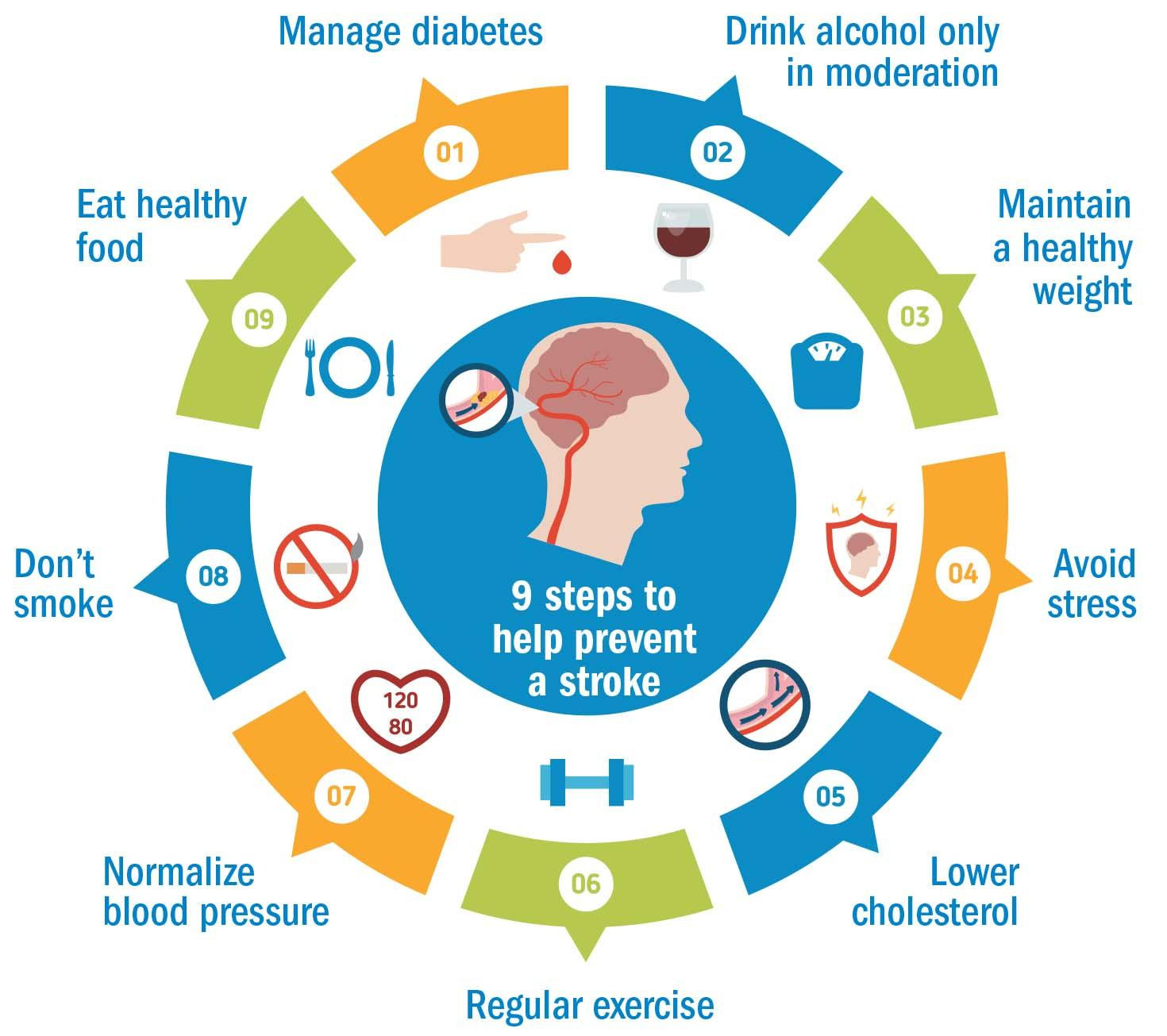
Reducing your stroke risk after a ministroke
A transient ischemic attack (TIA), or ministroke, is a serious warning sign for future stroke, especially in the first 48 hours. Medications plus lifestyle changes—healthy eating, regular exercise, and blood pressure control—can significantly lower that risk.

New thinking on beta blocker use
Beta blockers have long been standard treatment for people after a heart attack. New evidence suggests they may not help those whose hearts still pump normally, though the drugs remain important for heart attack survivors with reduced ejection fraction.

Reclining and lying down: More risky than sitting for heart health?
Reclining and lying down may be linked to worse cardiovascular health while short bouts of sitting or standing may reduce cardiovascular risk, according to a 2025 study.

Can regular sauna sessions support a healthy heart?
Population-based studies have linked regular sauna use with better heart health. The high temperature inside a sauna—which usually ranges from about 150° F to 195° F—causes blood vessels to dilate, raising the heart rate and increasing blood flow throughout the body. However, randomized trials haven’t found much evidence that saunas can improve measures of cardiovascular health. People with low blood pressure, valve disease, and heart failure should be cautious while using saunas.

The new blood pressure guidelines: What you need to know
The 2025 blood pressure guidelines recommend starting drugs to treat hypertension if people don’t meet blood pressure goals after three to six months of lifestyle changes. The guidelines also recommend that everyone with high blood pressure be screened for primary aldosteronism, and suggest that people with resistant hypertension (stubbornly high blood pressure) consider renal denervation, a procedure that disrupts some of the nerves around the arteries supplying blood to the kidneys.
What are somatic workouts?
How to curb your stress eating
How to spot Parkinson’s disease symptoms
8 simple ways to reduce ultra-processed foods in your diet
Heart failure symptoms in women: How they’re different
GERD diet: Foods to avoid to reduce acid reflux
Strong is the new skinny
Everyday habits that sneakily weaken your bones
Don’t wait to get help for back pain
Correcting how you walk may ease osteoarthritis knee pain
Free Healthbeat Signup
Get the latest in health news delivered to your inbox!
Sign Up