

Oat vs. dairy milk: Nutrition, benefits, and downsides

Microplastics: A hidden health threat?

Healing after food poisoning

What is tempeh? Benefits, nutrition, and how to use it

Light exposure at night may raise risk for heart disease

Whole grains may improve several heart risk factors at once

A lumbar belt may help ease low back pain

Children of centenarians may stay healthier and live longer too, study finds

Signs of pneumonia: Sometimes vague and unexpected

The surprising link between ovarian cancer and the fallopian tubes
Breast Cancer Archive
Articles

Estrogen-only hormone therapy tied to lower dementia risk
A 2026 study suggested that menopausal women who used estrogen-only hormone therapy were less likely than women who didn’t use hormone therapy to develop Alzheimer’s-related brain changes or be diagnosed with dementia.
Should you have a hysterectomy?
Each year, about 600,000 American women undergo hysterectomy—surgery to remove the uterus and sometimes other reproductive organs as well—most often to alleviate symptoms rather than to save lives. Women opt for hysterectomy for conditions such as excessive uterine bleeding, pelvic pain, and fibroids.

How does stress affect your period?
Stress can disrupt the menstrual cycle, but it isn’t the only possible cause of a late period. Find out what to consider before assuming why.
When do I need to stop using hormone therapy?
While starting hormone therapy to curb menopause symptoms is considered safest before age 60 and within 10 years of menopause, there’s no defined age at which women need to stop using it. Various factors should be considered when deciding whether to continue, including age, overall health, and medical history.
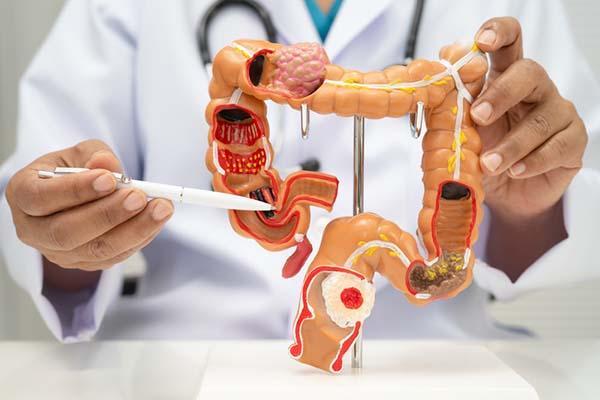
Study: At-home colorectal cancer screening may significantly cut colon cancer deaths
Colorectal cancer is a leading cause of cancer death, but early screening can detect it while it’s treatable, curable, and even preventable. A 2026 study found that use of an at-home stool test was linked to as much as a 43% reduction in colorectal cancer deaths.
Can uterine fibroids change over time?
Fibroids may change over time, even when they cause no symptoms. Find out what doctors know about their growth, symptoms and long-term outlook.
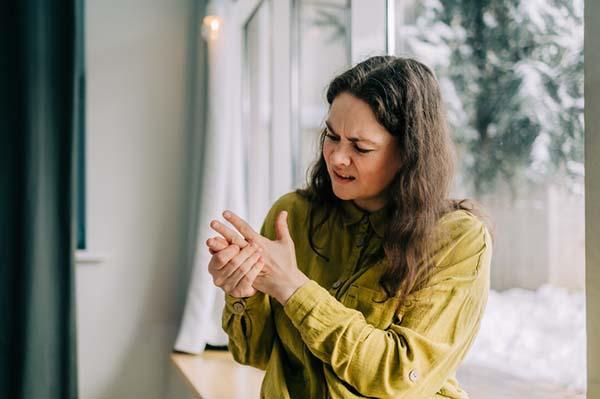
Could hand and foot cramps be related to your menstrual cycle?
Severe cramps in your hands and feet may follow a pattern linked to your menstrual cycle, raising questions about causes, relief and prevention.

Routine cancer screenings for older adults: Mammograms, colonoscopies, PSA tests, and more
Most cancer screening guidelines recommend an upper age limit to cease regular testing. But older adults should ask their doctor whether the benefits of continuing screening outweigh the risks, which may include unnecessary treatments and potentially dangerous complications.
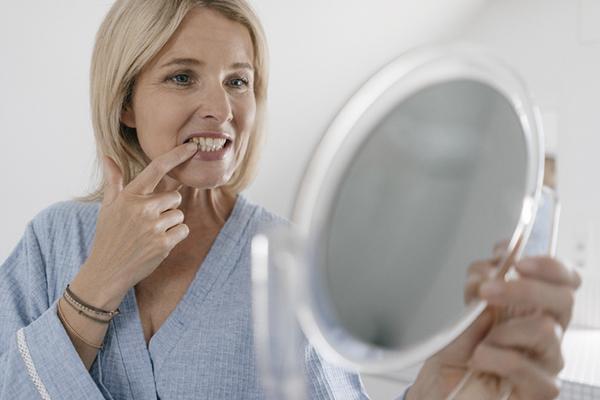
How menopause can affect oral health, including tooth decay, dry mouth, and shifting teeth
Many women aren’t aware menopause can fuel oral health symptoms such as tooth decay, gum disease, and bone loss in the jaw. Reduced estrogen diminishes saliva production, which protects teeth and gums by neutralizing acids and bacteria. A variety of tools and techniques can help menopausal women preserve oral health.
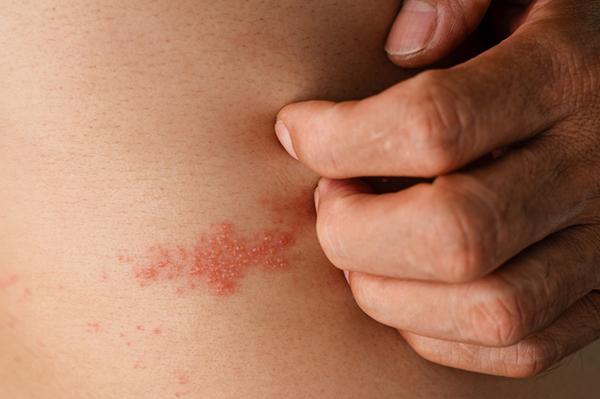
Can taking Valtrex for shingles affect my birth control?
Women on birth control who develop shingles may worry Valtrex could reduce protection. Find out if this antiviral impacts contraceptives.
Oat vs. dairy milk: Nutrition, benefits, and downsides
Microplastics: A hidden health threat?
Healing after food poisoning
What is tempeh? Benefits, nutrition, and how to use it
Light exposure at night may raise risk for heart disease
Whole grains may improve several heart risk factors at once
A lumbar belt may help ease low back pain
Children of centenarians may stay healthier and live longer too, study finds
Signs of pneumonia: Sometimes vague and unexpected
The surprising link between ovarian cancer and the fallopian tubes
Free Healthbeat Signup
Get the latest in health news delivered to your inbox!
Sign Up
