

Whole grains may improve several heart risk factors at once

Light exposure at night may raise risk for heart disease

Children of centenarians may stay healthier and live longer too, study finds

A lumbar belt may help ease low back pain

Signs of pneumonia: Sometimes vague and unexpected

The surprising link between ovarian cancer and the fallopian tubes

Using a vibration plate: What it can — and can't — do for your body

People who walk more or walk faster live longer, study finds

Rosacea treatments: What works?

For sleep apnea, a dental device may be as effective as CPAP
Cancer Archive
Articles

What can cause new swallowing problems?
Swallowing changes can have many possible causes, and some symptoms deserve prompt medical attention. Find out what to watch for and discuss.
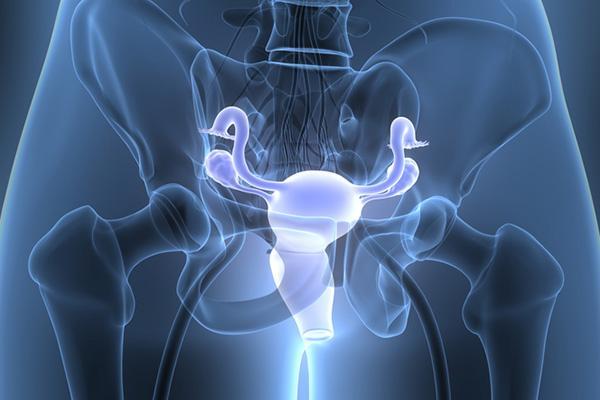
The surprising link between ovarian cancer and the fallopian tubes
Research has shown that most cases of ovarian cancer begin in the nearby fallopian tube. Major medical organizations recommend that women at average risk for ovarian cancer who are done having children and who are undergoing abdominal surgery for other reasons also have their fallopian tubes removed at the same time.
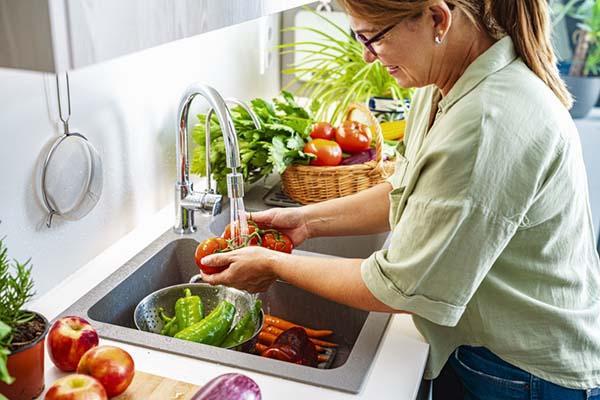
Salmonella, E. coli, Cyclospora, and other germs that cause food poisoning: What you need to know
Bacteria, parasites, and viruses can all cause food poisoning. Proper handling, cooking, and storage of food help reduce the chances of an infection. If you get food poisoning, it usually can be treated at home by replenishing lost fluids and electrolytes.
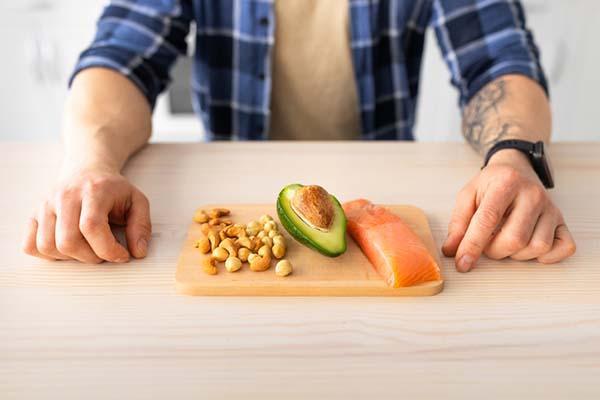
Harvard study: Healthier fats linked to longer life after prostate cancer diagnosis
A major study of survivors of nonmetastatic prostate cancer found that those eating the most saturated fat had a 24% higher risk of death over a 13-year period, mainly from heart disease and other cancers. Swapping animal fats for plant-based, unsaturated fats was linked to significantly lower risks.
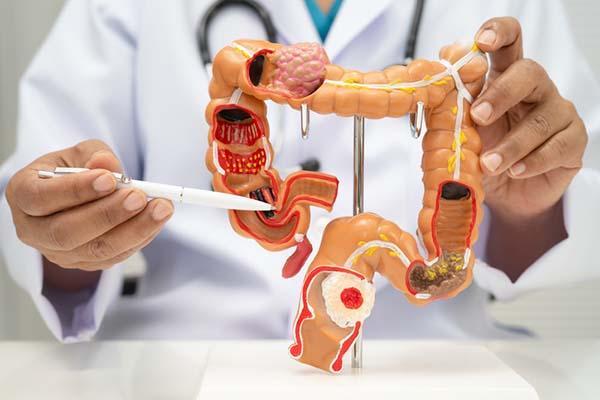
Study: At-home colorectal cancer screening may significantly cut colon cancer deaths
Colorectal cancer is a leading cause of cancer death, but early screening can detect it while it’s treatable, curable, and even preventable. A 2026 study found that use of an at-home stool test was linked to as much as a 43% reduction in colorectal cancer deaths.
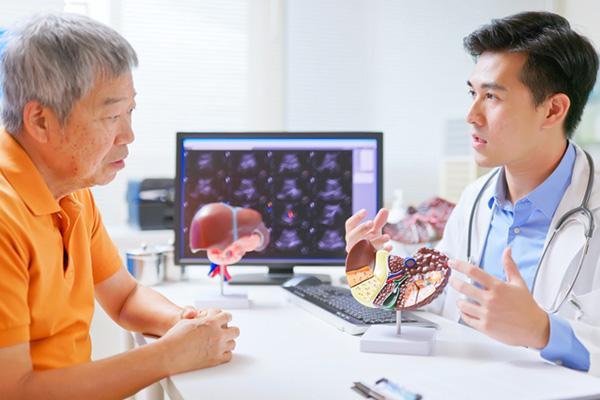
What is cholestasis and how is it treated?
A bile flow problem can cause noticeable changes in the skin, urine, stools, and comfort, with treatment depending on the underlying cause.
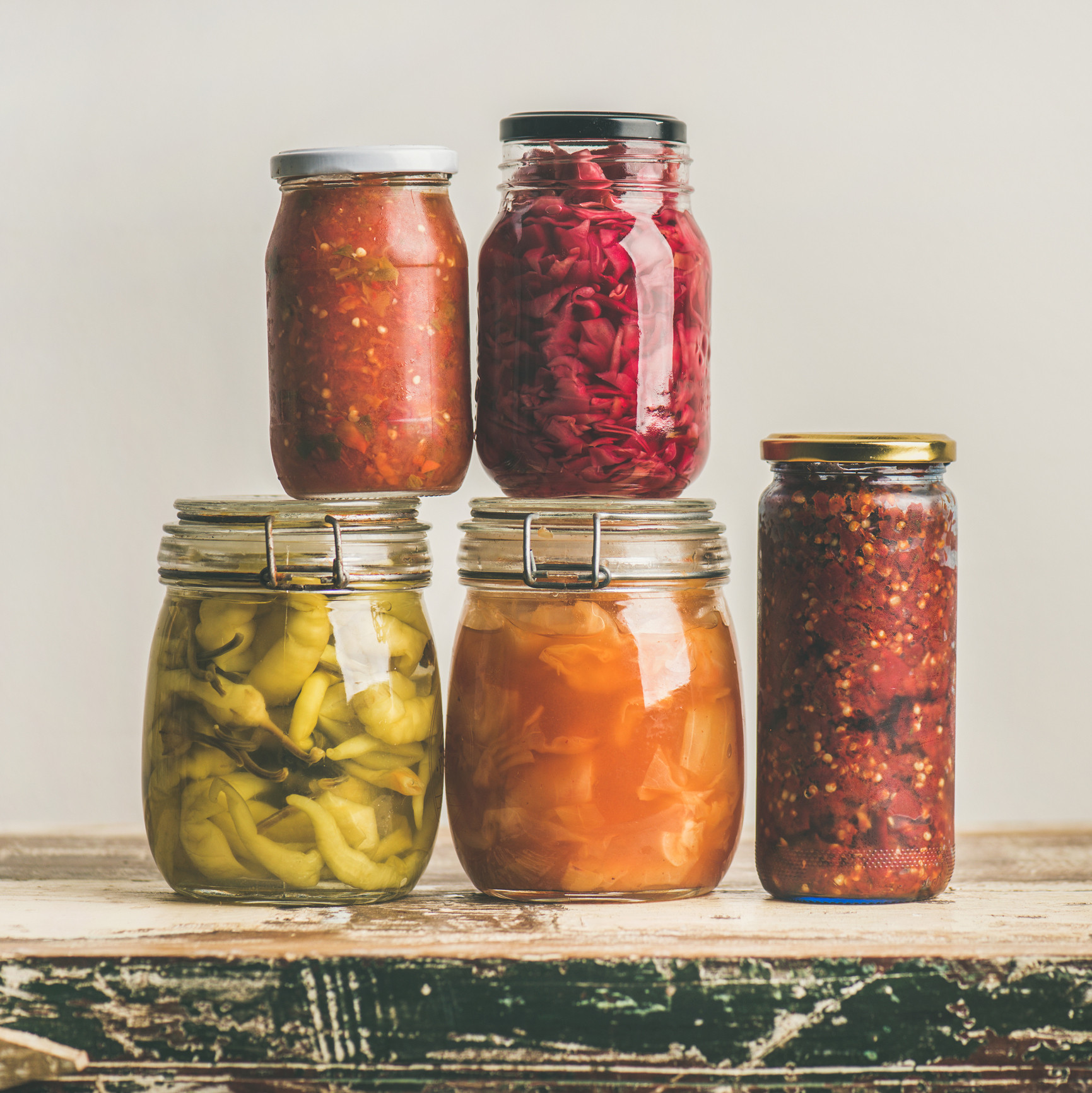
Fermented foods for better gut health
Naturally fermented foods have been getting the attention of health experts because they contain beneficial probiotics that may help strengthen your gut biome — the bacteria and microorganisms in your digestive tract.
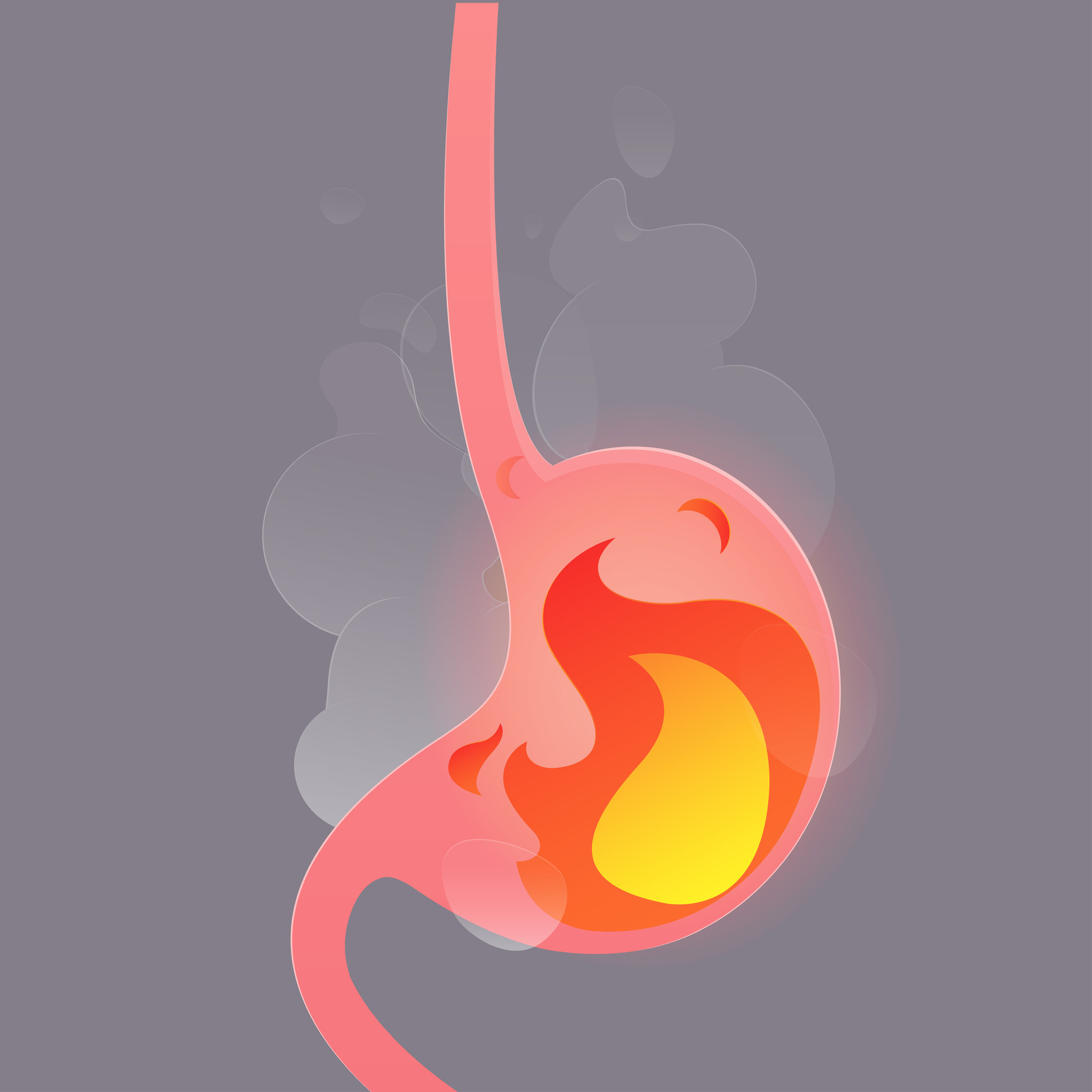
Can digestive enzyme supplements help relieve my heartburn?
A digestive enzyme supplement can be helpful for people who have difficulty digesting certain foods, but taking one to treat a condition such as heartburn may or may not provide any relief.


Whole grains may improve several heart risk factors at once
Light exposure at night may raise risk for heart disease
Children of centenarians may stay healthier and live longer too, study finds
A lumbar belt may help ease low back pain
Signs of pneumonia: Sometimes vague and unexpected
The surprising link between ovarian cancer and the fallopian tubes
Using a vibration plate: What it can — and can't — do for your body
People who walk more or walk faster live longer, study finds
Rosacea treatments: What works?
For sleep apnea, a dental device may be as effective as CPAP
Free Healthbeat Signup
Get the latest in health news delivered to your inbox!
Sign Up
