Why testosterone levels drop and when to consider treatment
Don't count on daily aspirin to prevent colon cancer

Night owls' habits linked to worse heart health

After ablation, exercise may lower atrial fibrillation recurrence
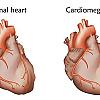
What can cause an enlarged heart?

Women's unique risks for heart disease
Chronic kidney disease: A hidden threat to your heart

Navigating your online patient portal: Best practices

Treating hair loss in men: What works?

Virtual cardiac rehab: Heal your heart from home
Diseases & Conditions Archive
Articles

Cooling off heartburn
Heartburn usually goes away on its own, but sometimes medication is needed to provide relief. For occasional heartburn, people can use over-the-counter antacids that are magnesium-based, aluminum-based, or calcium-based. If heartburn strikes several times a week or symptoms become more severe, a nonprescription H2 blocker can help. Individuals with persistent heartburn may have gastroesophageal reflux disease (GERD) and will probably need a proton-pump inhibitor. These are available in over-the-counter and prescription versions.

Why does everything taste salty to me?
A variety of factors can make food taste overly salty. These include seasonal or food allergies, medication side effects, gastroesophageal reflux disease (GERD), diabetes, autoimmune conditions, or a chronically dry mouth. People should discuss the problem with their doctor.


Protect your skin during heat waves - here's how
As global temperatures continue to soar, extreme heat poses numerous health risks, some of which are visible on our skin. Understanding how heat affects your skin can help you take measures to prevent or ease many skin conditions that are sparked or worsened by high temperatures.

POTS: Diagnosing and treating this dizzying syndrome
Most of us don't think twice about standing up, but for people affected by postural orthostatic tachycardia syndrome (POTS), standing can provoke lightheadedness and a racing heartbeat. While some people with POTS will require medications, most will improve with some specific dietary and behavioral changes.

What is POTS - and what triggers it?
Postural orthostatic tachycardia syndrome (POTS) is a condition characterized by lightheadedness or dizziness when standing and a racing heart. The underlying cause is not known, although it sometimes follows bedrest after injury or illness. Recently, POTS has been diagnosed in some people who have had COVID-19.

Get moving to manage arthritis
People with arthritis often avoid exercise because of their painful joints. However, exercise is one of the best ways to manage their symptoms, stay active, and improve their quality of life. Specific exercise routines can be designed around a person's type of arthritis, severity, and location, but usually focus on three areas: stretching, strength training, and low-impact aerobics.

Is arthritis preventable?
Osteoarthritis affects more women than men. Risk factors include earlier joint injuries, obesity, diabetes, heart disease, or family history. People can try to prevent arthritis by staying physically active, maintaining a healthy weight, and engaging in low-impact exercise.

New medication for urinary tract infections: Will it really help?
In 2024, the FDA approved the sale of pivmecillinam (Pivya), an antibiotic to treat urinary tract infections (UTIs) in women. When the drug becomes available in 2025, it will join the lineup of existing first-line antibiotic treatments for UTIs, such as trimethoprim/sulfamethoxazole (Bactrim) and nitrofurantoin (Macrobid). Doctors say having another treatment option on the same tier will be helpful, since some germs that cause UTIs have become resistant to existing antibiotics.
Why testosterone levels drop and when to consider treatment
Don't count on daily aspirin to prevent colon cancer
Night owls' habits linked to worse heart health
After ablation, exercise may lower atrial fibrillation recurrence
What can cause an enlarged heart?
Women's unique risks for heart disease
Chronic kidney disease: A hidden threat to your heart
Navigating your online patient portal: Best practices
Treating hair loss in men: What works?
Virtual cardiac rehab: Heal your heart from home
Free Healthbeat Signup
Get the latest in health news delivered to your inbox!
Sign Up