

CoQ10: Should you take this popular supplement if you're on a statin?

Microplastics: A hidden health threat?

Oat vs. dairy milk: Nutrition, benefits, and downsides

What is tempeh? Benefits, nutrition, and how to use it

Healing after food poisoning

Children of centenarians may stay healthier and live longer too, study finds

Light exposure at night may raise risk for heart disease

A lumbar belt may help ease low back pain

Whole grains may improve several heart risk factors at once

Signs of pneumonia: Sometimes vague and unexpected
Diseases & Conditions Archive
Articles
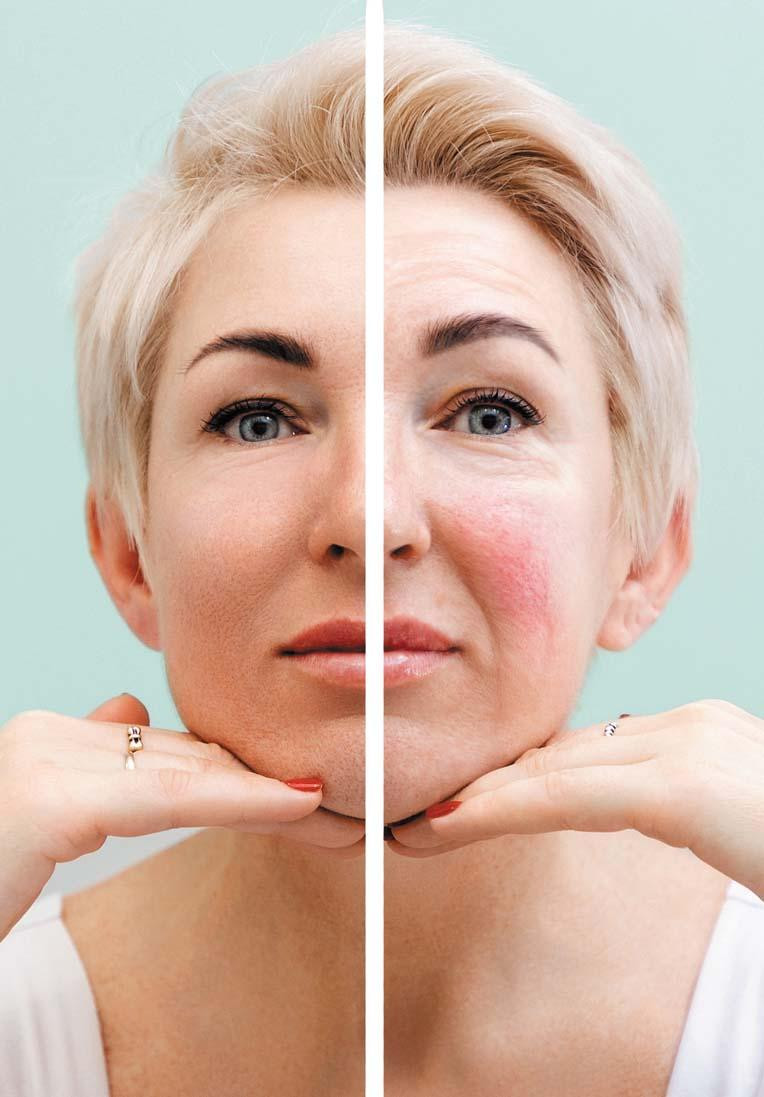
Is this common skin problem overlooked?
A 2025 Finnish study found that rosacea often goes undiagnosed in people ages 70 or older. Researchers say this might be due to busy physicians with limited awareness of rosacea or patients' own embarrassment or unwillingness to seek treatment.
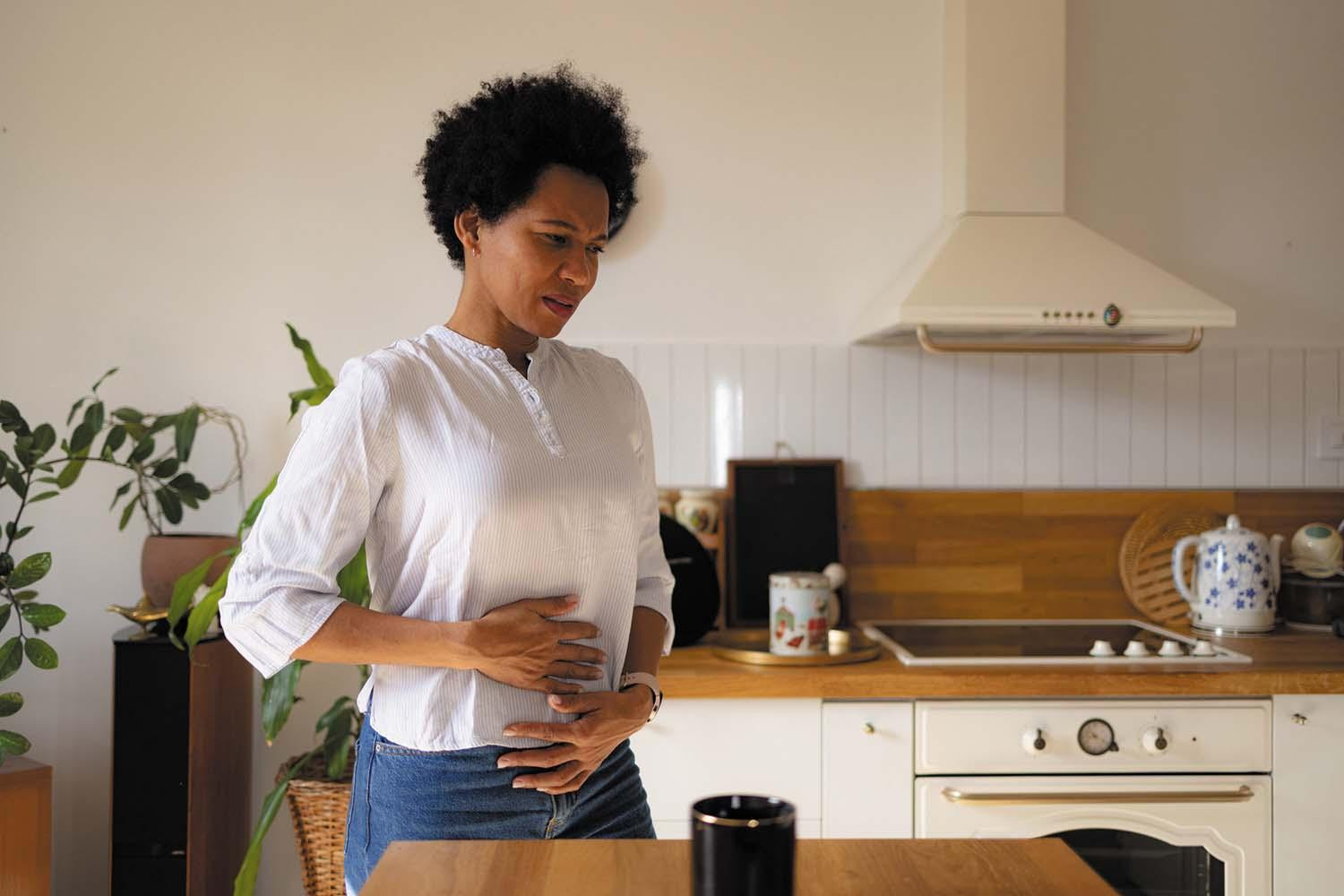
When celiac disease strikes later in life
Celiac disease is an autoimmune digestive condition triggered by gluten, a sticky protein found in grains such as wheat, barley, and rye. Celiac disease is typically diagnosed later in life, and occurs more often in women. Symptoms include intestinal distress, weight loss, rashes, fatigue, and nutrient deficiencies. Celiac patients must adopt a strictly gluten-free diet, which can be challenging after decades of eating gluten. Helpful strategies include creating gluten-free kitchen areas, buying naturally gluten-free items, and examining food labels.

How "inflammaging" shapes our health
Inflammaging is chronic, low-grade inflammation throughout the body that occurs with aging. It is believed to accelerate aging and contribute to more than half of all deaths worldwide by driving various age-related diseases such as arthritis, autoimmune conditions, heart disease, cancer, diabetes, and Alzheimer's disease. People can combat inflammaging through healthy lifestyle measures such as exercising, eating healthfully, controlling weight, managing stress, prioritizing sleep, and limiting alcohol and smoking.

Lifestyle counseling may help men eat healthier and reduce their risk for diabetes
Overweight or obese men diagnosed with prediabetes who received counseling on healthy eating habits and online support significantly improved their diets and reduced their risk for developing diabetes, according to a 2025 study.

Gum disease may increase the risk for stroke and cognitive decline
A 2025 study found that in brain MRI scans, people with any evidence of gum disease were more likely to have higher amounts of a marker for disease in the brain's small blood vessels, compared to people without gum disease.


Women with diabetes may face more hidden heart damage
A 2025 study suggested that women with diabetes are nearly twice as likely as men to have hidden heart disease. These women might especially benefit from early screening for problems in the small blood vessels of the heart.

Nearly everyone has at least one risk factor before a heart attack, heart failure, or stroke
A 2025 study suggests that more than 99% of people who have a first-time heart attack, stroke, or heart failure have at least one of four risk factors: unhealthy blood pressure, cholesterol, or blood sugar levels, or past or present smoking.

Tips to cope when hearing hurts
Hyperacusis describes sensitivity to some or all sounds, no matter the volume. Depending on the person, sounds might be uncomfortably loud; cause pain in the ear, head, or another part of the body; trigger negative emotional responses; or make someone dizzy. These reactions might be due to irritated or overactive nerve fibers or muscles in the ear. While doctors have few treatments for hyperacusis, certain strategies help, such as avoiding sound triggers, wearing hearing protection, and engaging in sound therapy.

Respiratory syncytial virus (RSV) tied to heart problems
A 2025 study suggests that respiratory syncytial virus (RSV) can lead to heart-related complications, such as a heart attack, chronic heart failure, or an irregular heartbeat-even in people without a previous heart condition.
CoQ10: Should you take this popular supplement if you're on a statin?
Microplastics: A hidden health threat?
Oat vs. dairy milk: Nutrition, benefits, and downsides
What is tempeh? Benefits, nutrition, and how to use it
Healing after food poisoning
Children of centenarians may stay healthier and live longer too, study finds
Light exposure at night may raise risk for heart disease
A lumbar belt may help ease low back pain
Whole grains may improve several heart risk factors at once
Signs of pneumonia: Sometimes vague and unexpected
Free Healthbeat Signup
Get the latest in health news delivered to your inbox!
Sign Up
