

People who walk more or walk faster live longer, study finds

For sleep apnea, a dental device may be as effective as CPAP

Rosacea treatments: What works?

Carb cycling: What is it, and does it work?

Understanding orthorexia: Have your healthy eating goals gone too far?

Melatonin or magnesium: Can either supplement help you sleep?

Salmonella, E. coli, Cyclospora, and other germs that cause food poisoning: What you need to know

Naturally gluten-free foods

Harvard study: Healthier fats linked to longer life after prostate cancer diagnosis

Shingrix shingles vaccine linked with lower heart disease risks
Exercise and Fitness Archive
Articles
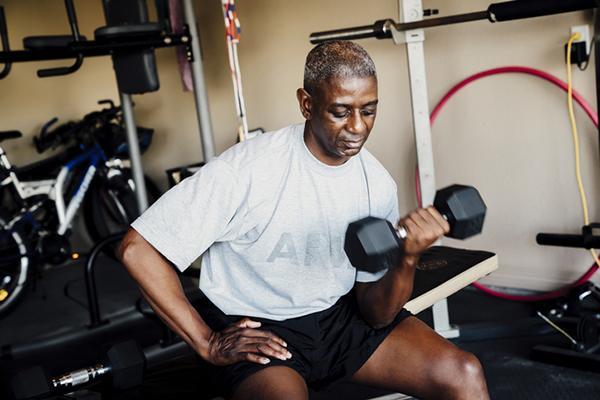
How much protein can your body use at one time for building muscle?
Learn how much protein your body can actually use to build muscle, and what kinds of protein are healthiest.
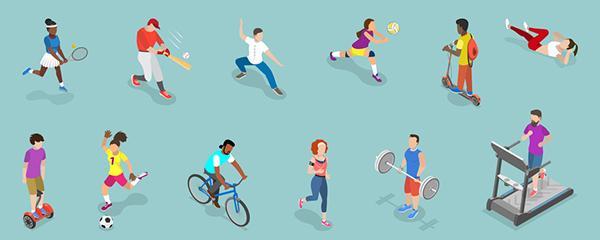
Doing different types of exercise linked to a longer life
People who engage in a variety of different types of physical activity may be more likely to live longer than people with little variety in their exercise habits who spend the same amount of time exercising.

Emojis in electronic health records could be confusing
Although rare, emojis are now beginning to appear in electronic medical records sent to patients. People who are unsure about the meaning of any such messages should ask for clarification.

CPR on TV may be misleading
Television portrayals of hands-only cardiopulmonary resuscitation (CPR) aren't always accurate, according to a 2026 analysis. Inaccurate depictions involved the age of CPR recipients, how CPR was done and the location of where it was performed.
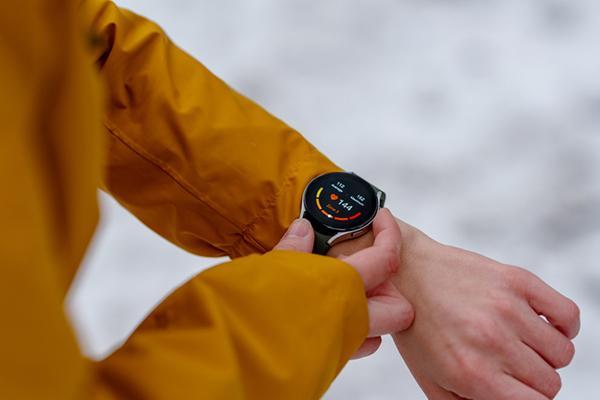
Understanding exercise heart rate zones
Exercise heart rate zones reflect different percentages of a person's estimated maximum heart rate. While some people find it helpful to monitor their heart rate zone during exercise, consistently engaging in physical activity is the most important priority.

Age and muscle loss
As the years pass, muscle mass in the body generally shrinks, and strength and power decline. The process begins earlier than you might think.

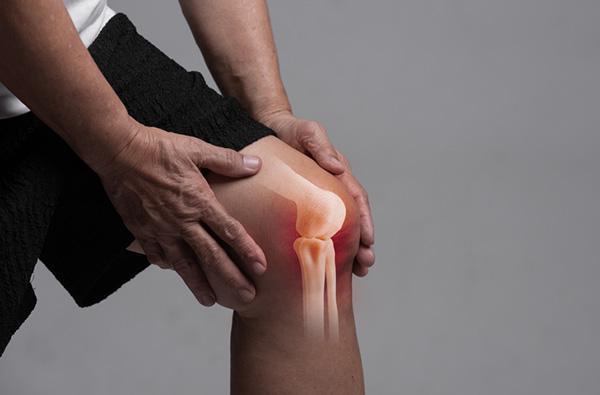
How to cope with bone-on-bone joint pain
"Bone-on-bone" is a common description for advanced osteoarthritis, when the cartilage in a joint wears away completely. Symptoms, including pain, stiffness, and limited motion, can be managed with physical therapy, weight loss, pain medications, injections, and possibly joint replacement.

Stretching studios: Do you need what they offer?
One trend in the world of fitness is the stretching studio, providing assisted stretching sessions marketed as a way to improve flexibility and ease chronic pain. But those looking to boost their overall health are more likely to benefit from regular, moderate physical activity, and do their stretching at home.
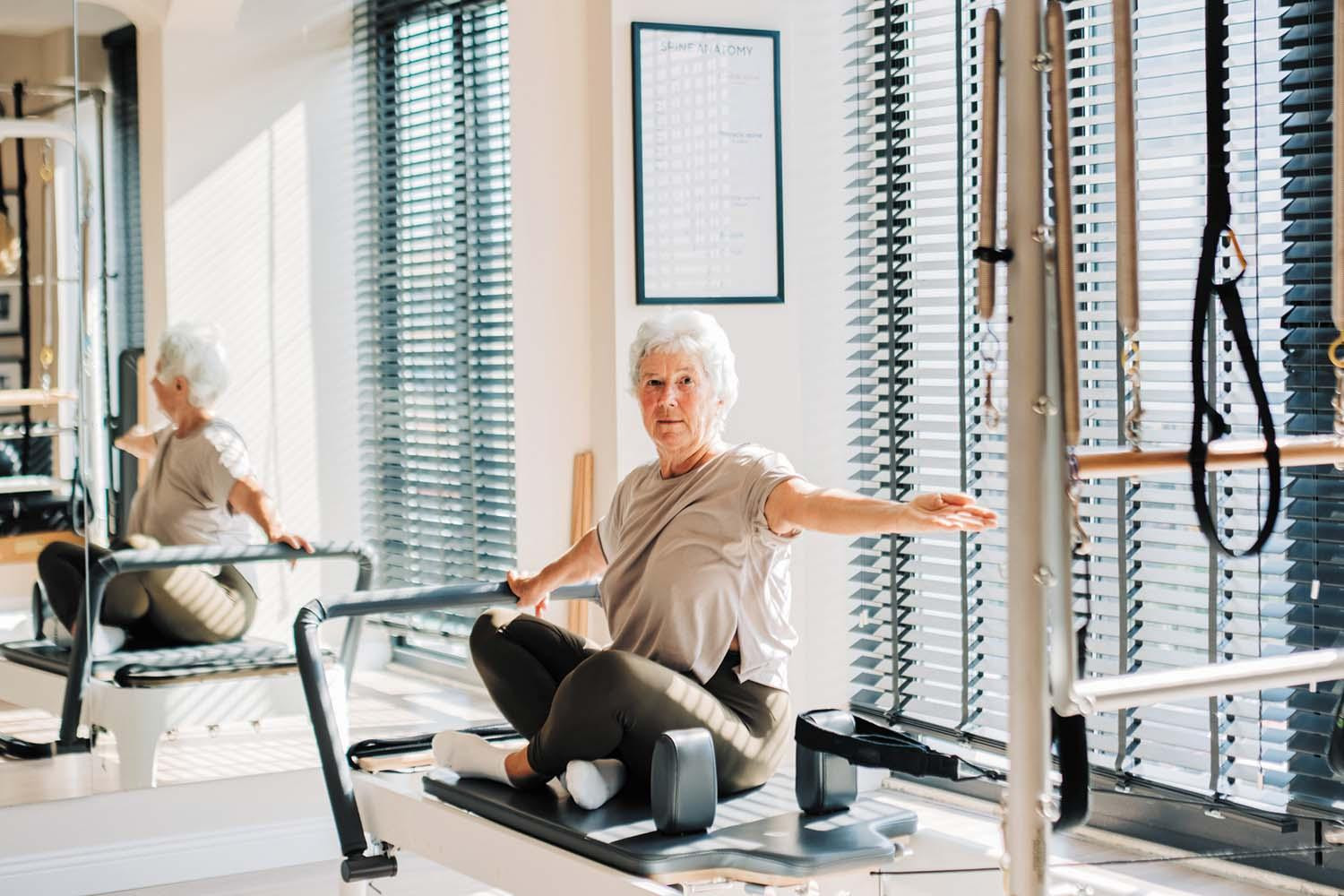
Pilates: A good workout option, even as we get older
Pilates can be a good low-impact workout option, especially as people get older. It focuses on core strength, balance, and flexibility, and can be adapted-on a mat, reformer, or even in a chair-to different abilities and comfort levels.
People who walk more or walk faster live longer, study finds
For sleep apnea, a dental device may be as effective as CPAP
Rosacea treatments: What works?
Carb cycling: What is it, and does it work?
Understanding orthorexia: Have your healthy eating goals gone too far?
Melatonin or magnesium: Can either supplement help you sleep?
Salmonella, E. coli, Cyclospora, and other germs that cause food poisoning: What you need to know
Naturally gluten-free foods
Harvard study: Healthier fats linked to longer life after prostate cancer diagnosis
Shingrix shingles vaccine linked with lower heart disease risks
Free Healthbeat Signup
Get the latest in health news delivered to your inbox!
Sign Up
