

Carb cycling: What is it, and does it work?

Salmonella, E. coli, Cyclospora, and other germs that cause food poisoning: What you need to know

Understanding orthorexia: Have your healthy eating goals gone too far?

Melatonin or magnesium: Can either supplement help you sleep?

Harvard study: Healthier fats linked to longer life after prostate cancer diagnosis

Naturally gluten-free foods

Shingrix shingles vaccine linked with lower heart disease risks

Estrogen-only hormone therapy tied to lower dementia risk

Should you have a hysterectomy?

Stair climbing may significantly lower cardiovascular risks
Heart Health Archive
Articles

Valve replacement: Mechanical or tissue?
Ask the doctor
If you need a new aortic valve, age is the main factor when choosing which type to get. |
Q. I'm 66 and will be having my aortic valve replaced soon. My surgeon suggested a tissue valve, but he also mentioned that I could get a mechanical valve instead. What are the key differences between these two choices?

What is labile hypertension?
Ask the doctor
Image: © LordHenriVoton/Getty Images
Q. I have high blood pressure and have been checking my blood pressure more often since my doctor added another drug. But lately, my readings have been all over the place. For example, one morning it was 127/70, but then it was 170/100 in the late afternoon. What's going on?
A. You may have a condition known as labile hypertension, which refers to blood pressure that fluctuates far more than usual. Everyone's blood pressure rises and falls many times during the course of a single day, sometimes even within minutes. Many factors contribute to these changes, including physical activity, emotion, body position, diet (especially salt and alcohol intake), and sleep deprivation. However, there is no clear definition or standard criteria to distinguish between normal and abnormal fluctuations.

Using Crestor — and all statins — safely
Some simple steps can help minimize or avoid muscle problems from Crestor and other cholesterol-lowering drugs.
All drugs have side effects. The trick is to weigh the potential for serious side effects against the gain you can get from the medication. The balance sheet for Crestor and other statins looks like this: These drugs cut the risk of heart attack, angina (chest pain), stroke, and death from cardiovascular disease by 30%. They cause muscle pain in under 5% of the people who take them, and these pains often stop by themselves even with continued statin use. The chance of rhabdomyolysis, a potentially deadly breakdown of muscle tissue, is less than one per million statin prescriptions.

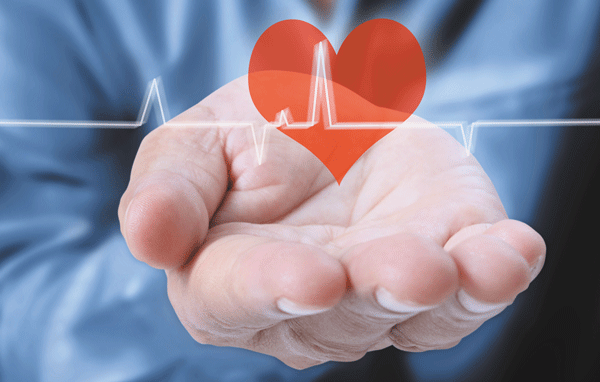
Ask the doctor: Does heart rate affect blood pressure?
Q. When doctors interpret a blood pressure reading, should they also consider the heart rate? I am a 78-year-old man and have had high blood pressure (under control) for more than 40 years. I frequently monitor my blood pressure at home, resting for five minutes before I take the reading. My blood pressure is often higher when my heart rate is close to its usual resting rate (about 50 beats per minute) and lower when my heart is beating faster than that. Can the body's demands that cause higher blood pressure be partially satisfied by a faster heart rate?
A. First, let me congratulate you on monitoring your blood pressure at home. This is a great way for you to take control of your high blood pressure, and a good step toward preventing a stroke. Knowing that your blood pressure at home is under consistent control is more important than getting isolated readings at the doctor's office. You are also resting before taking the reading, and this is important to avoid spuriously high readings that happen when someone rushes around, and then sits down quickly to take a blood pressure reading. (Readers interested in monitoring their blood pressure at home can watch a video of how this is done at www.health.harvard.edu/128.)

Treating heart attacks: Changes from Eisenhower’s era to the present day
In the 1950s, doctors offered mainly morphine and bed rest — a far cry from the many procedures and medications provided today.
During a round of golf one autumn afternoon in 1955, President Dwight Eisenhower experienced what he assumed was indigestion. After he awoke at 2 a.m. the following morning with severe chest pain, his personal physician administered several shots of morphine. It wasn't until 1 p.m. that afternoon that an electrocardiogram revealed that the president had experienced a heart attack.
Cardiologist Dr. Thomas Lee, professor of medicine at Harvard Medical School, detailed Eisenhower's experience in the Oct. 29, 2020, issue of The New England Journal of Medicine. His piece focuses mainly on how Eisenhower's cardiologist, Paul Dudley White, communicated the event to the public. As Dr. Lee wrote, "Heart attacks became less mysterious and frightening to millions of Americans that day."

What is heart rate variability?
Ask the doctor
Q. In last month's Heart Letter, you described some of the ways your heart rate reflects your health. But I've also heard about another measurement, called heart rate variability. Can you explain what that's all about?
A. Heart rate variability (HRV) is a sophisticated measurement of the variation in time between each heartbeat. We know that a heart rate that's too slow, too fast, or irregular can signal a problem, so it's only natural to think that a steady, regular pulse is a sign of a healthy heart. And you might also assume that having little or no difference in the time between each beat (that is, a low HRV) is best.

Put a song in your heart
Listening to music may offer a range of benefits for cardiovascular health.
Music's capacity to evoke emotion is one reason people love listening to it so much. Whether you want to feel energized and uplifted or calm and relaxed, you can probably conjure a few examples of melodies that put you in your desired frame of mind. As it turns out, those mood-related benefits may extend to your heart.
"The beating of your heart and your fight-or-flight system are regulated by your brain. Once you understand that, it makes sense that listening to music that evokes a certain mood might affect the heart's function," says Dr. Andrew Budson, a lecturer in neurology at Harvard Medical School and chief of cognitive and behavioral neurology at the VA Boston Healthcare System.

Can you supercharge the Mediterranean diet?
News briefs
A Mediterranean-style diet is rich in vegetables, legumes, fruits, whole grains, nuts, seeds, poultry, fish, and olive oil, and it's associated with lower risks for heart disease and diabetes. And a "greener" version of the eating style might be even more effective, according to a small, randomized study published online Nov. 23, 2020, by the journal Heart. Researchers — some from Harvard — recruited about 300 sedentary, middle-aged people (mostly men) with high cholesterol or abdominal obesity and divided them into three groups. One received guidance for exercise and a healthy diet; another received exercise guidance and was assigned to eat a calorie-restricted Mediterranean diet; and one group received exercise guidance and was assigned to eat a "greener" calorie-restricted Mediterranean diet with less animal-based and more plant-based proteins (including walnuts and a type of duckweed — an aquatic plant), plus lots of green tea. After six months, people on the "green" diet had lost more weight and inches around their middles, and had bigger drops in cholesterol, than people in the other two groups. "Green" dieters also had steeper declines in insulin resistance, inflammation markers, and diastolic blood pressure (the lower number in the measurement), compared with the other two groups.
Image: © Lilechka75/Getty Images
Carb cycling: What is it, and does it work?
Salmonella, E. coli, Cyclospora, and other germs that cause food poisoning: What you need to know
Understanding orthorexia: Have your healthy eating goals gone too far?
Melatonin or magnesium: Can either supplement help you sleep?
Harvard study: Healthier fats linked to longer life after prostate cancer diagnosis
Naturally gluten-free foods
Shingrix shingles vaccine linked with lower heart disease risks
Estrogen-only hormone therapy tied to lower dementia risk
Should you have a hysterectomy?
Stair climbing may significantly lower cardiovascular risks
Free Healthbeat Signup
Get the latest in health news delivered to your inbox!
Sign Up
