

CoQ10: Should you take this popular supplement if you're on a statin?

Oat vs. dairy milk: Nutrition, benefits, and downsides

Microplastics: A hidden health threat?

Healing after food poisoning

What is tempeh? Benefits, nutrition, and how to use it

Light exposure at night may raise risk for heart disease

Whole grains may improve several heart risk factors at once

A lumbar belt may help ease low back pain

Children of centenarians may stay healthier and live longer too, study finds

Signs of pneumonia: Sometimes vague and unexpected
Mental Health Archive
Articles

Co-regulation: Helping children and teens navigate big emotions
Co-regulation is a process in which caregivers can help young people learn better ways to regulate their emotions during the inevitable upsets and challenges of life. But before a caregiver can help a child, they need to understand their own emotional skills and limitations.

Understanding the stress response
Research suggests that prolonged stress is linked to high blood pressure, clogged arteries, anxiety, depression, addictive behaviors, and obesity.

How to recognize the signs of mental health issues
A 2023 study showed that about 50% of people will develop at least one mental disorder by age 75. Older adults are vulnerable to mental disorders because they are exposed to many life-changing and traumatic events like health issues, the death of loved ones, and physical limitations. Among men, the most common disorders were depression, phobias, and alcohol use disorder. Identifying the signs and symptoms of these disorders can help men seek appropriate medical treatment.

The wide-ranging effects of psoriasis
Psoriasis causes skin cells to multiply far faster than normal, leading to scaly, itchy, painful skin plaques. While treatments have vastly expanded, stigma surrounding psoriasis persists. Skin lesions can affect what people wear, what they do, and how they relate to others. To better cope, people with psoriasis can get family members involved in care and treatment decisions, see a dermatologist for more advanced therapies, revisit which treatments may work for them, and connect with others with the disease.

Afraid to visit the doctor?
Medical anxiety is a fear of doctors and medical settings. Nearly half of American adults in 2023 reported feeling anxious before a doctor's appointment, and four in 10 said their anxiety compels them to put off seeing a doctor. Medical anxiety can stop people from seeking preventive care or necessary treatments, jeopardizing their health. People with medical anxiety may be fearful of needles or shots, a painful test or procedure, or receiving bad news or a serious diagnosis.
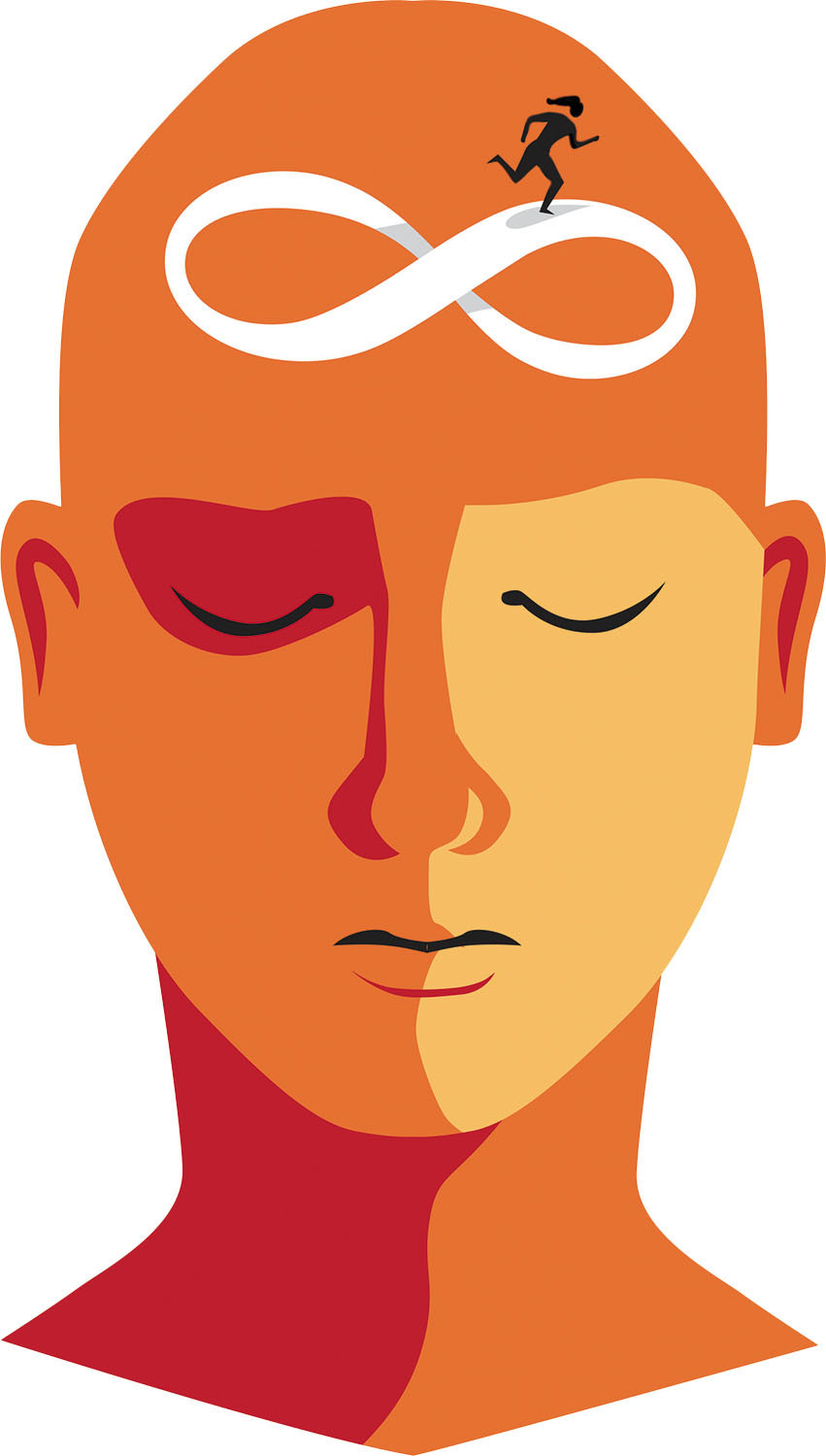
Managing intrusive thoughts
Intrusive thoughts are unwanted thoughts or mental images that make people feel uncomfortable. They're common, affecting some six million Americans and can be effectively managed using tools such as cognitive behavioral therapy. They can be associated with mental health disorders such as obsessive-compulsive disorder or post-traumatic stress disorder, but many people who experience them don't meet the criteria for a mental health disorder. The thoughts may be triggered by stress or anxiety.

How well do you worry about your health?
It's impossible to never worry about your health - but are you worrying about the right things? Popular fears and Google and TikTok searches suggest our top concerns may bypass common health issues. So what should concern us and what can we do about it?

Ever worry about your gambling?
Recent changes in laws have made gambling widely accessible and popular. Uncontrolled gambling can have many kinds of consequences, some quite serious. A simple screening test for problem gambling and knowing the range of available resources can help people ward off the worst of these issues.


Pets may help fend off cognitive decline in single seniors
A 2023 study found that pet owners who lived alone had slower rates of cognitive decline compared with people who lived alone but had no pets. Living with a dog or cat may help ease loneliness - an important risk factor for cognitive decline.
CoQ10: Should you take this popular supplement if you're on a statin?
Oat vs. dairy milk: Nutrition, benefits, and downsides
Microplastics: A hidden health threat?
Healing after food poisoning
What is tempeh? Benefits, nutrition, and how to use it
Light exposure at night may raise risk for heart disease
Whole grains may improve several heart risk factors at once
A lumbar belt may help ease low back pain
Children of centenarians may stay healthier and live longer too, study finds
Signs of pneumonia: Sometimes vague and unexpected
Free Healthbeat Signup
Get the latest in health news delivered to your inbox!
Sign Up
