

Healing after food poisoning

What is tempeh? Benefits, nutrition, and how to use it

Light exposure at night may raise risk for heart disease

Whole grains may improve several heart risk factors at once

A lumbar belt may help ease low back pain

Children of centenarians may stay healthier and live longer too, study finds

Signs of pneumonia: Sometimes vague and unexpected

The surprising link between ovarian cancer and the fallopian tubes

Using a vibration plate: What it can — and can't — do for your body

People who walk more or walk faster live longer, study finds
Mental Health Archive
Articles

5 action steps for quitting an addiction
Because change is so difficult, it's useful to have a guide when attempting to kick an addiction to drugs, alcohol or behavior. Research shows that the following steps can help you move toward your recovery goals. You have the greatest chance of success if you adopt all five steps.
1. Set a quit date. It might be helpful to choose a meaningful date like a special event, birthday, or anniversary.
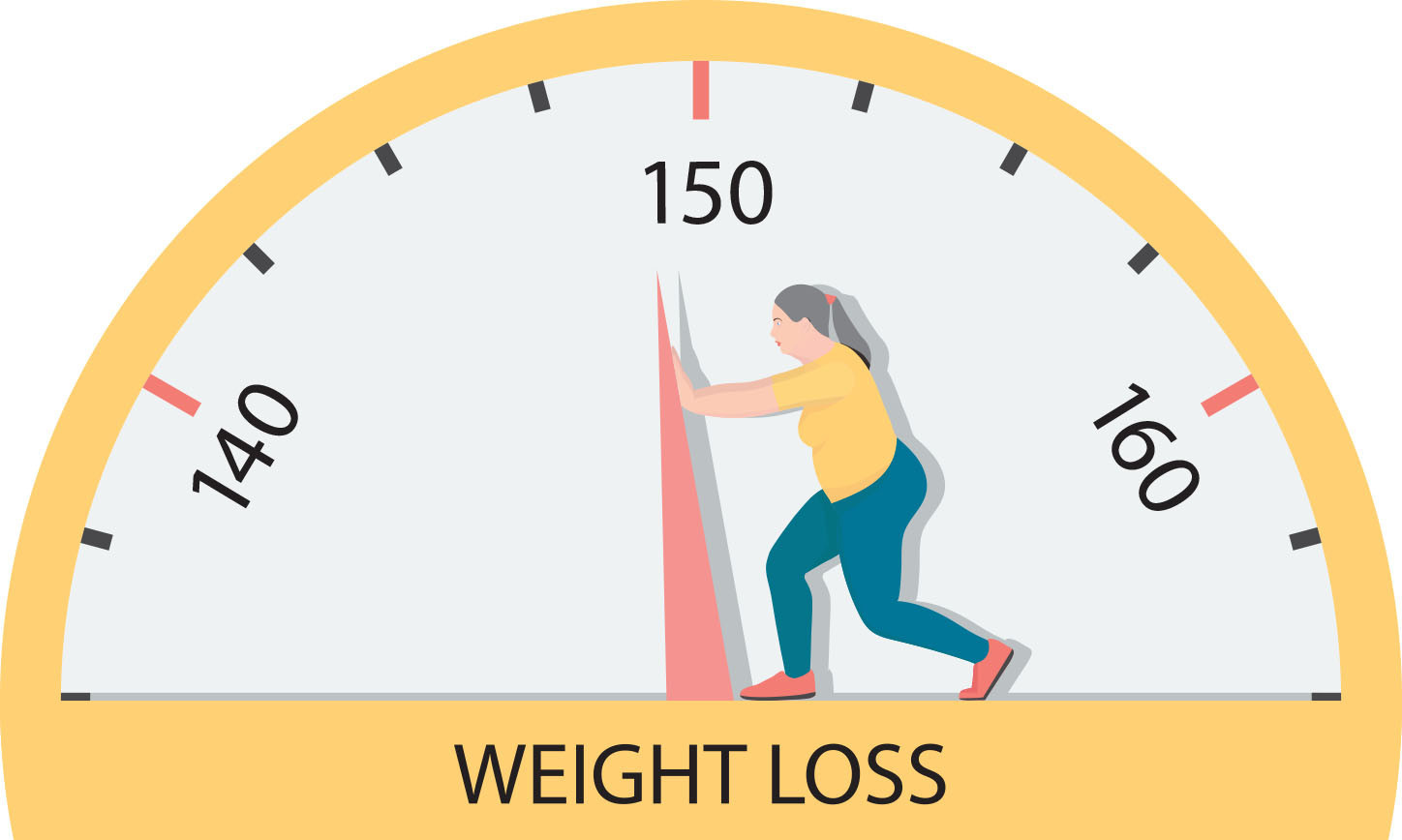
Tips to keep lost weight off in the New Year
Work with your body, not against it, for long-term weight maintenance.
For many people, their New Year's resolutions include some sort of weight-loss goal. However, while extra pounds often come off, evidence shows they rarely stay off. Among overweight or obese people who are able to lose 10% of their body weight, just one in six is able to maintain the weight loss for at least a year.
Experts say it's not surprising that weight loss rarely sticks, considering what they now know about how the body works. "Most people believe that obesity is caused by overeating, while we now recognize that the main driver of obesity is one or more disruptions in the body's normal regulation of the amount of fat we maintain," says Dr. Lee Kaplan, an associate professor of medicine at Harvard Medical School and director of the Obesity, Metabolism, and Nutrition Institute at Massachusetts General Hospital.

We’re supposed to make resolutions now?
After everything that has happened in 2020, making New Year’s resolutions might be too much to expect of many. Setting goals for the coming year seems like too much to ask right now. Is it okay to just give yourself a break this year? Or is there another way of looking at the whole situation?

Harvard study: Unapproved drugs in brain-boosting supplements

Understanding intimate partner violence
The pandemic may be making life harder for those in abusive relationships, but help is available.
A woman experiencing abuse at the hands of an intimate partner often feels isolated and alone. But the truth is, she has a lot of company. As many as one in three women in the United States has experienced intimate partner violence (IPV), which is violence involving a current or former spouse, partner, significant other, boyfriend or girlfriend, says Eve M. Valera, an associate professor in psychiatry at Harvard Medical School. This number includes women from all different ages and backgrounds.
Those who experience IPV may be left with lingering health effects, including mental health disorders such as anxiety, depression, or post-traumatic stress disorder. IPV is also linked to a number of physical symptoms and conditions, according to the federal Office on Women's Health, such as digestive problems, migraine headaches, arthritis, asthma, chronic pain, sexual problems, and heart problems. Another area of growing concern for many researchers is the potential for cognitive changes caused by traumatic brain injuries linked to abuse, says Valera.

Boost vitality by engaging your brain
Continuing work and satisfaction in life can help older adults preserve their cognitive health.
Declining brain health is perhaps the greatest fear of older adults. The good news is that you can take steps to maintain your thinking and memory for many years to come.
A healthy diet, regular aerobic exercise, and proper sleep are essential to keep your brain healthy. But work engagement and life satisfaction are two additional factors that confer mind benefits.

Choosing joy during difficult times
As this year’s challenges and stressors have piled up, many people have found it increasingly difficult to find any joy in their lives. A good portion of our happiness is related to our own attitudes and actions, and the actions of others can show us how to find contentment, happiness — even joy— in the most difficult of times.

How to give yourself — and others — a break

Gender fluidity: What it means and why support matters
Gender fluidity refers to changes over time in gender identity and gender expression. For many people, gender identity and expression develop early and stay the same; for others, one or both may change. Understanding and supporting young people exploring gender is important to their emotional and physical well-being.

Anticholinergic drugs linked with greater cognitive risk
In the journals
Many commonly used drugs have anticholinergic effects, meaning the drugs block the action of acetylcholine. Nerve cells release acetylcholine to transmit impulses to other nerves in the brain and throughout the body. Previous research has shown a link between these drugs and dementia. Now a study has found a similar link with mild cognitive impairment (MCI), especially if you take larger doses. The findings were published online Sept. 2, 2020, by Neurology.
Some medications are designed purposefully to block acetylcholine, such as those used for urinary incontinence. But more often the anticholinergic action is a side effect of drugs taken to treat conditions like allergies, colds, and depression.
Healing after food poisoning
What is tempeh? Benefits, nutrition, and how to use it
Light exposure at night may raise risk for heart disease
Whole grains may improve several heart risk factors at once
A lumbar belt may help ease low back pain
Children of centenarians may stay healthier and live longer too, study finds
Signs of pneumonia: Sometimes vague and unexpected
The surprising link between ovarian cancer and the fallopian tubes
Using a vibration plate: What it can — and can't — do for your body
People who walk more or walk faster live longer, study finds
Free Healthbeat Signup
Get the latest in health news delivered to your inbox!
Sign Up
