

Even a little exercise linked with lower stroke risk in people with afib

Testosterone therapy without evidence of deficiency may boost heart risk

Weight-loss drug may lower risk of heart attacks and infections

What to eat on the DASH diet

Migraine: How it's diagnosed and what that means

Tricep workouts you can do at home

Mindfulness practices to reduce stress and improve focus

Antihistamines may not offer meaningful relief from eczema symptoms

Overweight and taking blood pressure medications: Study finds it's a trend that's working

FDA approves first mRNA-based flu vaccine
Skin Cancer Archive
Articles

Heat rash: How to spot it and what to do
Lingering heat waves have brought warnings about recognizing and preventing heat-related illnesses. Heat rash, while not dangerous itself, can signal heat exposure that may lead to more serious conditions. Here's how to avoid and treat it.

Antihistamines may not offer meaningful relief from eczema symptoms
A major review found that oral antihistamines had little effect in reducing atopic dermatitis (eczema) symptoms—and that first-generation (sedating) antihistamines may increase cognitive risks. The findings suggest that oral antihistamines should not be used routinely to treat eczema.

Why do some people suddenly become sensitive to deodorants?
Even after using a certain deodorant for years, people can develop allergic contact dermatitis to that product. Individuals who suddenly develop redness, itching, or a rash in their armpits should stop using their deodorant and switch to another product.

Routine cancer screenings for older adults: Mammograms, colonoscopies, PSA tests, and more
Most cancer screening guidelines recommend an upper age limit to cease regular testing. But older adults should ask their doctor whether the benefits of continuing screening outweigh the risks, which may include unnecessary treatments and potentially dangerous complications.
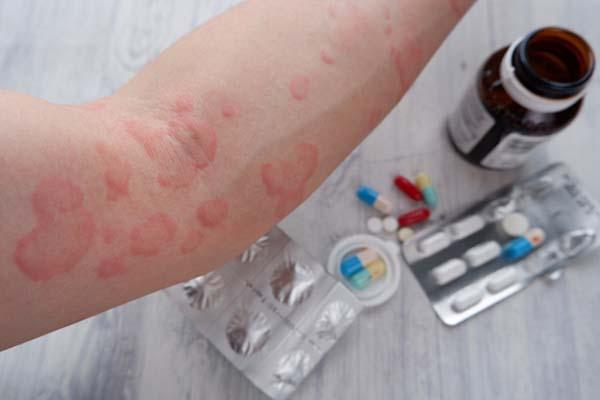
What causes chronic hives, and how are they treated?
Chronic hives can be hard to control when testing does not reveal a cause. Explore possible triggers and treatments that may help bring relief.

What do dark vertical streaks on fingernails indicate?
Discover what dark vertical streaks on fingernails might mean, from benign nail pigmentation to signs of a more serious skin cancer.

What causes a red rash on the neck that stings and itches?
A neck rash that stings and itches can have several possible triggers. The timing, recent exposures and other symptoms may help point to the cause.
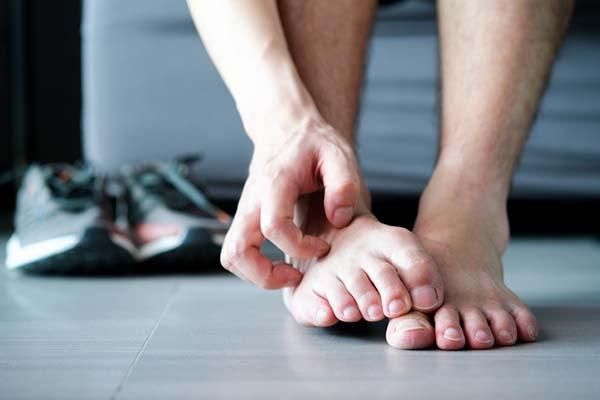
Can athlete's foot fungus spread beyond the feet?
Athlete’s foot causes itchy, scaly skin on the feet, and the fungus can sometimes spread to other vulnerable areas of the body too.
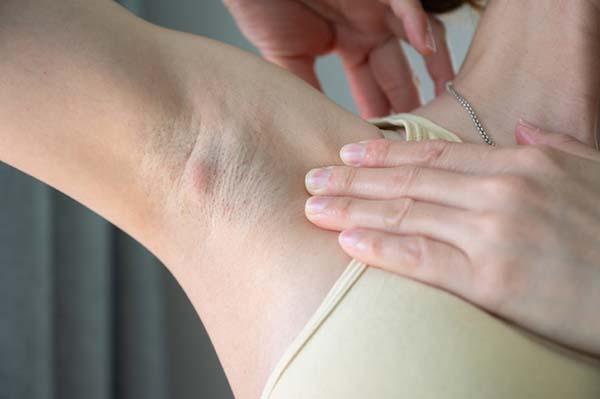
What causes recurring underarm boils, and how are they treated?
Repeated underarm boils can have different causes and may need more than home care. Find out what symptoms matter and how doctors approach treatment.

Taking breaks from sitting to move around may lower cancer risk
A 2026 study of more than 91,000 adults found that uninterrupted sitting raised risk for death from cancer. Replacing prolonged sitting with light, moderate, or vigorous activity significantly reduced risk, suggesting frequent movement breaks may help counter harms of sedentary behavior over time.
Even a little exercise linked with lower stroke risk in people with afib
Testosterone therapy without evidence of deficiency may boost heart risk
Weight-loss drug may lower risk of heart attacks and infections
What to eat on the DASH diet
Migraine: How it's diagnosed and what that means
Tricep workouts you can do at home
Mindfulness practices to reduce stress and improve focus
Antihistamines may not offer meaningful relief from eczema symptoms
Overweight and taking blood pressure medications: Study finds it's a trend that's working
FDA approves first mRNA-based flu vaccine
Free Healthbeat Signup
Get the latest in health news delivered to your inbox!
Sign Up
